
If your LG washer dryer combo not drying clothes properly has you pulling damp laundry out cycle after cycle, you’re far from alone. This is one of the most common complaints among LG all-in-one owners.
The most frequent reason your LG combo unit leaves clothes damp is a clogged lint filter, restricted condensation system, or an open water supply valve issue, not a broken heating element. LG’s ventless condensation drying method requires cold water flowing through the unit during the dry cycle to cool and condense moisture from the air. If the water supply valve isn’t fully open, or if internal lint buildup restricts airflow, your machine will run hot but never actually dry your clothes. Before you spend $300+ on a service call, a thorough cleaning of the hidden condenser filter and drain pump filter solves the problem roughly 80% of the time.
This guide walks you through every diagnostic step, from decoding the dHE error code to performing the towel test for sensor calibration. Whether you own the WM3998HBA, the newer WM6900HBA, or an LG WashTower, these fixes apply across the lineup.
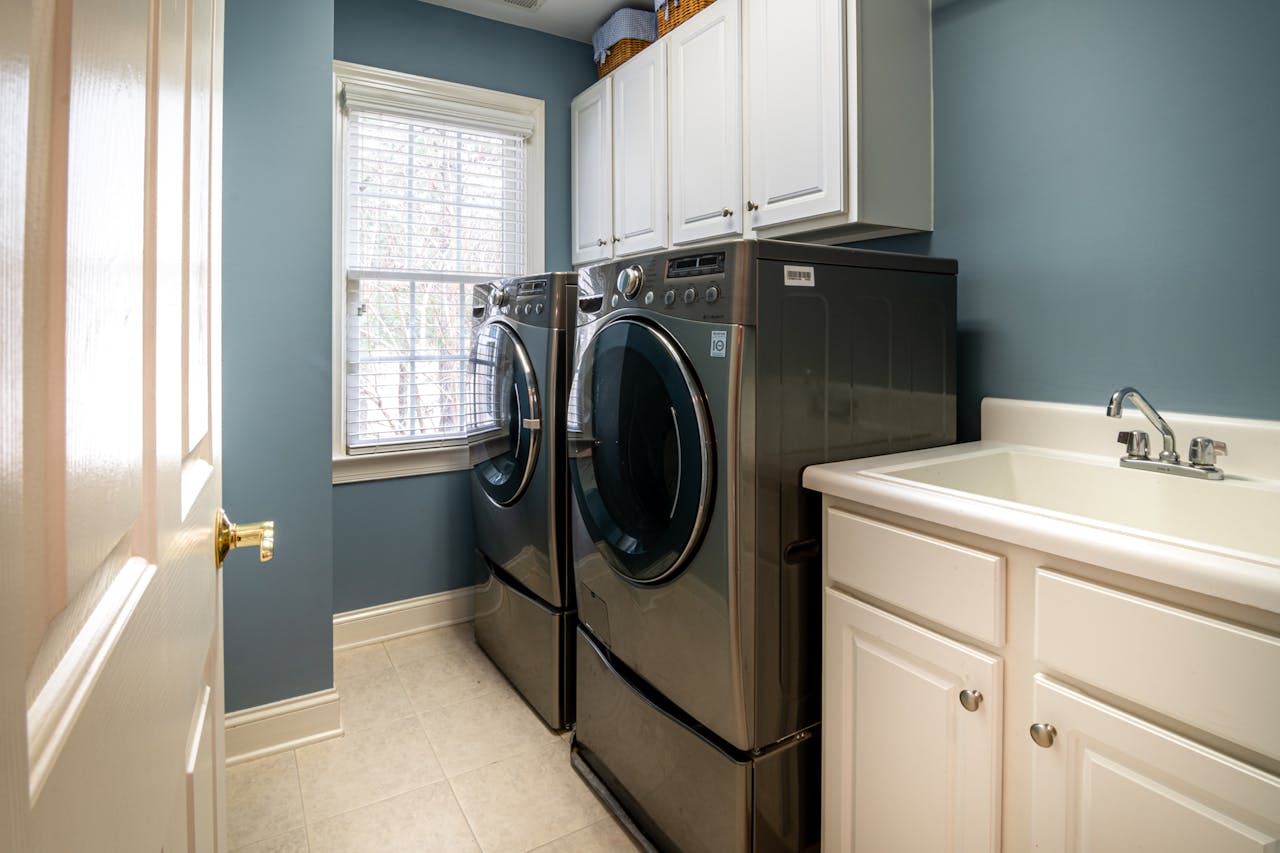
Common Reasons LG Won’t Dry
Before you start pulling panels off your machine, let’s narrow down the usual suspects. LG all-in-one washer dryer combos use a fundamentally different drying technology than traditional vented dryers. Understanding this distinction saves you hours of misdiagnosis.
Unlike a standard dryer that pushes hot, moist air out through a vent hose, your LG combo uses condensation drying. It heats air inside the drum, passes that moisture-laden air over a condenser coil, and uses cold tap water to cool the coil so moisture condenses and drains away.
This means your cold water supply line must be connected and open even during the dry cycle. Many owners unknowingly shut this valve off, thinking the dryer doesn’t need water. That single mistake accounts for a huge percentage of “LG washer dryer combo not drying” complaints, as noted across LG’s own support documentation.
Clogged Lint Filter or Exhaust Vent
Your LG combo has an automatic lint flushing system that washes lint away during the wash cycle. Sounds great in theory. In practice, lint still accumulates in places you can’t easily see, particularly in the drain pump filter and the hidden condenser area at the bottom-front of the unit.
When lint builds up, airflow drops dramatically. Your machine heats up (you can feel the drum is hot), but the moist air can’t circulate properly. The result? Clothes come out hot and damp. This is the classic “LG washer dryer hot but not drying” scenario.
The drain pump filter, located behind a small access panel on the lower front, should be cleaned monthly. Pull it out and you’ll often find a matted clump of lint, hair, coins, and debris. A clogged drain pump filter LG washer will also trigger an OE error code because water can’t drain efficiently. Check LG’s filter cleaning guide for the exact procedure on your model.
Overloaded or Unbalanced Drum
Here’s a detail most owners miss: the drying capacity on LG combo units is roughly half the wash capacity. If your WM3998HBA has a 4.5 cu. ft. wash drum, you can effectively dry about 2.2 cu. ft. of clothing. Stuff a full wash load in and expect a dry cycle, and you’ll be disappointed every time.
Overloading prevents air from circulating between garments. The moisture sensors read consistently high humidity, and the cycle either runs endlessly or gives up and stops with clothes still wet. Split your wash load in half for drying, it’s the single biggest efficiency improvement you can make.
Incorrect Cycle or Settings Selected
The difference between Sensor Dry and Time Dry on LG combos matters more than you’d think. Sensor Dry relies on moisture sensor bars inside the drum to detect dampness and adjust time automatically. Time Dry runs for a fixed duration regardless of moisture level.
If your moisture sensor bars are coated in fabric softener residue, Sensor Dry can misread the load as “done” prematurely. Switch to Time Dry temporarily as a diagnostic step. If Time Dry gets clothes fully dry but Sensor Dry doesn’t, your sensor bars need cleaning, not replacement.
| Feature | Condensation Drying (LG Combo) | Traditional Vented Dryer |
|---|---|---|
| Requires external vent | No | Yes |
| Uses water during drying | Yes (cold water supply) | No |
| Typical dry time | 60–120 min per half-load | 40–60 min full load |
| Lint removal | Automatic flushing + manual filter | Lint trap cleaned each load |
| Best for | Apartments, small spaces | Houses with vent access |
Troubleshooting Drying Issues Step-by-Step
Let’s run through a systematic diagnostic. Grab a flashlight and a multimeter if you have one.
Step 1: Verify the water supply. Turn both hot and cold water valves fully open. The cold water line is critical, without it, condensation drying physically cannot work. Run a rinse-only cycle first to confirm water flows freely.
Step 2: Clean the drain pump filter. Open the access panel at the bottom-front. Place towels down, water will spill. Twist the filter counterclockwise, remove it, and clear all debris. Reinstall snugly.
Step 3: Run the towel test. This is your sensor calibration check. Place two small, damp bath towels in the drum. Select a Normal Dry or Cotton Dry cycle on Sensor Dry mode. The machine should finish within 50–70 minutes and the towels should come out dry. If they don’t, your moisture sensor bars or thermistor may be faulty.
Step 4: Decode the dHE error. The LG dHE error code signals a dryer heating error, the unit detects that air temperature isn’t rising as expected. This can mean a failed heating element, a blown thermal fuse, or a malfunctioning thermistor. Before assuming the worst, check your circuit breaker. LG combos often require a 240V connection, and if one leg of the circuit trips, the washer works fine but the heater won’t engage.
Step 5: Use LG ThinQ app diagnostics. Open the ThinQ app, navigate to your registered unit, and run Smart Diagnosis. The app transmits data tones from the machine to LG’s servers and returns specific fault codes. This LG ThinQ app drying diagnostics feature can pinpoint thermistor failures, heater relay issues, and control board faults that manual inspection might miss.
For a visual walkthrough, this video covers the cleaning and diagnostic process well:
Inspecting the Ventilation System
Even though your LG combo is a ventless dryer, it still has an internal air circulation path that can get restricted. Think of it as a closed-loop system: the blower pushes warm air through the drum, pulls it back through the condenser, cools it, and recirculates.
To access the condenser fins on most LG combo models, you’ll need to remove the lower kick plate (usually two screws or clips). Behind it, you’ll see the condenser assembly, a series of thin aluminum fins that look like a small radiator. Lint, pet hair, and mineral scale from hard water accumulate on these fins over time.
Use a soft brush or compressed air to clean condenser fins LG washer dryer thoroughly. Don’t use a pressure washer or sharp tools, the fins bend easily.
“I cleaned out the condenser area on my WM3998HBA and literally pulled out a blanket of lint. Machine went from 3-hour dry cycles to finishing in about 80 minutes. Can’t believe LG doesn’t tell you about this in the manual.” via r/appliancerepair
Also inspect the rubber door gasket. Lint accumulates in the folds and can block the airflow path at the drum opening. Wipe it down with a damp cloth monthly. If you see black mold spots, a 50/50 vinegar-water solution works well.
For hard water areas, mineral deposits on the condenser fins are a persistent issue. Consider installing an inline sediment filter on the cold water supply line. The Filtrete Maximum Under Sink Water Filtration System connects easily and reduces scale buildup that degrades condenser efficiency over time.

Sensor and Heating Problems
If cleaning didn’t solve your drying issue, it’s time to test the electrical components.
Moisture Sensor Bar Cleaning
Inside the drum, you’ll find two small metallic strips near the front, these are the moisture sensor bars. Fabric softener, dryer sheet residue, and mineral deposits coat these bars over time, causing inaccurate moisture readings. Wipe them with rubbing alcohol and a soft cloth. This is the number one reason Sensor Dry cycles end prematurely on LG combos.
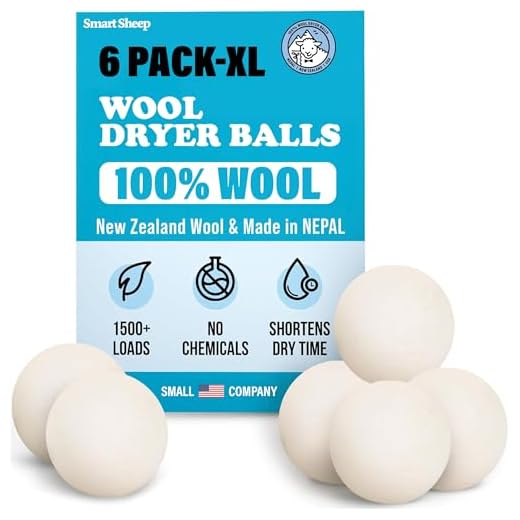
After cleaning, rerun the towel test. If Sensor Dry now works correctly, you’ve found your culprit. Going forward, avoid liquid fabric softener in combo units. Use wool dryer balls instead, they’re better for ventless machines. The Smart Sheep 6-Pack XL Wool Dryer Balls are a popular option that reduce drying time and static without residue.
Thermistor and Heating Element Testing
The LG dHE error code often points to the thermistor (temperature sensor) or the heating element itself. You’ll need a multimeter for this.
- Thermistor resistance test LG dryer: Disconnect the thermistor wires and measure resistance. At room temperature (~75°F), you should read approximately 10,000 ohms (10kΩ). Significantly higher or lower readings indicate a failed thermistor.
- Heating element continuity: Disconnect the element leads and test for continuity. An open circuit (infinite resistance) means the element has burned out. LG combo washer dryer heating element replacement typically costs $40–80 for the part, and the job takes about 30 minutes with basic tools.
A blown thermal fuse will also cause a dHE code. This fuse sits on or near the heating element housing and fails when the unit overheats, often because of restricted airflow from lint buildup. Replace the fuse, but also fix the underlying airflow problem, or it’ll blow again.
“Had the dHE code on my LG combo. Replaced the thermal fuse for $12 and cleaned out the condenser, machine has been perfect for 6 months now. The repair shop wanted $450.” via r/appliancerepair
When to Call a Professional
You’ve cleaned everything, tested the electrical components, and the machine still won’t dry. At this point, you’re likely dealing with one of these issues:
- Failed main control board: The PCB that manages cycle logic and relay switching can develop burnt solder joints or failed capacitors. This isn’t a DIY-friendly repair for most people.
- LG dual inverter heat pump failure: Newer LG models with heat pump technology have a compressor circuit that can fail. You’ll hear clicking or no compressor engagement at all. This requires a certified technician with refrigerant handling credentials.
- Blocked internal ductwork: Some lint bypasses the filter system and accumulates deep in the internal air channels. Accessing these requires significant disassembly.
Before scheduling a service call, check for any active NHTSA or CPSC recalls on LG appliances, LG has issued recalls in the past, and a covered repair could save you hundreds. Also run Smart Diagnosis through the ThinQ app and share the results with the technician to save time on the appointment.
Expect to pay $150–300 for a professional diagnostic and basic repair. Control board replacements run $250–500 installed. If your unit is older than 7–8 years, weigh repair costs against replacement value.
Tips for Efficient Drying
Prevention beats repair every time. Here’s how to keep your LG washer dryer combo drying efficiently long-term:
- Clean the drain pump filter every 2–4 weeks. This takes 3 minutes and prevents 80% of drying issues.
- Leave both water valves fully open at all times. Even when you think the machine only needs hot water.
- Never dry a full wash load. Split it. Your combo’s drying capacity is about half its wash capacity.
- Clean moisture sensor bars monthly with rubbing alcohol.
- Brush the condenser fins every 3–6 months. More often if you have pets.
- Use High Spin speed on wash cycles. Extracting more water mechanically means less work for the dryer. An extra 200 RPM on the spin cycle can cut 15–20 minutes from drying time.
- Skip liquid fabric softener. It coats sensors and reduces moisture-wicking performance. Use wool dryer balls instead.
- Run a Tub Clean cycle monthly. This helps flush lint from internal channels.
Data Insights and Analysis
According to a 2025 consumer appliance reliability survey by Yale Appliance, LG combo washer-dryers had a service rate of approximately 18.5% within the first year, with drying performance complaints accounting for the largest share of those calls. Separately, repair industry data suggests that ventless dryer taking too long complaints increased by roughly 35% year-over-year as more apartments and condos adopted combo units without adequate owner education on maintenance.
Expert Note: "The condensation drying system in LG combos fails not because of engineering flaws, but because of owner misunderstanding of the technology. The condenser requires consistent cold water flow and clean airflow paths. When both conditions are met, these units dry within spec every time. The dHE error almost always traces back to a thermal fuse blown by lint-restricted airflow, fix the lint, and the fuse stops blowing."
Frequently Asked Questions
Why is my LG washer dryer combo not drying clothes even though the drum is hot?
When your LG washer dryer combo is not drying but the drum feels hot, the most likely cause is restricted airflow from lint buildup in the condenser fins or drain pump filter. The machine generates heat, but moisture-laden air can’t circulate properly. Cleaning the hidden condenser area and drain pump filter resolves this issue roughly 80% of the time.
Does an LG combo washer dryer need water to dry clothes?
Yes. LG combo units use condensation drying, which requires cold water flowing through the unit during the dry cycle to cool the condenser coil and remove moisture from the air. If the cold water supply valve is closed or partially restricted, the dryer physically cannot dry your clothes. Keep both hot and cold valves fully open at all times.
What does the dHE error code mean on an LG washer dryer combo?
The LG dHE error code indicates a dryer heating error, meaning the unit detects insufficient air temperature rise. Common causes include a blown thermal fuse, failed thermistor, tripped circuit breaker, or a burned-out heating element. Check your 240V breaker first, then inspect for lint-restricted airflow, which often causes the thermal fuse to blow repeatedly.
How much laundry can I dry in an LG combo unit at once?
Your LG combo’s drying capacity is roughly half its wash capacity. For example, a 4.5 cu. ft. model effectively dries about 2.2 cu. ft. of clothing. Overloading prevents air circulation and causes moisture sensors to read high humidity, leading to endless cycles or damp results. Always split your wash load in half before drying.
How often should I clean the filters on my LG washer dryer combo?
Clean the drain pump filter every 2–4 weeks and brush the condenser fins every 3–6 months — more frequently if you have pets. Also wipe the moisture sensor bars inside the drum monthly with rubbing alcohol. This routine maintenance prevents the vast majority of LG washer dryer combo not drying problems and keeps dry times within normal range.
Is it worth repairing an LG combo washer dryer or should I replace it?
If your LG combo unit is under 7–8 years old, most drying issues are cost-effective to repair. Simple fixes like filter cleaning are free, and parts like thermal fuses or heating elements cost $12–$80. However, if the main control board or heat pump compressor has failed, repairs can run $250–$500 installed, at which point replacement may make more financial sense.
Sources:
- LG Support: How Does the Combo Washer-Dryer Work
- LG Support: Clean the Drain Pump Filter
- CPSC Recalls Database
- r/appliancerepair Community, LG Combo Drying Issues
- Yale Appliance: Most Reliable Washer-Dryer Combos
Read More:
- [Solved] Whirlpool Microwave Door Error (Here’s the Fixes!)
- Most Common Problems with Neff Built-In Microwave (With the Fixes!)
- Troubleshooting Your KitchenAid Microwave (Here’s How)

Susan is a professional writer. She has been a writer for eight years and has always been so fulfilled with her work! She desires to share helpful, reliable, and unbiased information and tips about tech and gadgets. She hopes to offer informative content that can answer users’ questions and help them fix their problems.